Managing a high-energy dog can be both a rewarding and challenging experience. Dogs, especially active breeds, require plenty of physical and mental stimulation to stay happy and healthy. In this guide, we’ll explore how you can effectively manage your dog’s energy levels through a combination of exercise, training, and interactive play. We’ll also provide tips to ensure your dog is both entertained and well-behaved.
Understanding High-Energy Dogs
Dogs with high energy levels can become restless, anxious, or destructive if their needs aren’t met. To avoid this, it’s important to recognize the signs of an energetic dog. Frequent pacing, barking, and even destructive behavior like chewing on furniture can all indicate that your pup needs more stimulation. Knowing how to channel that energy can make a big difference in your dog’s overall well-being.
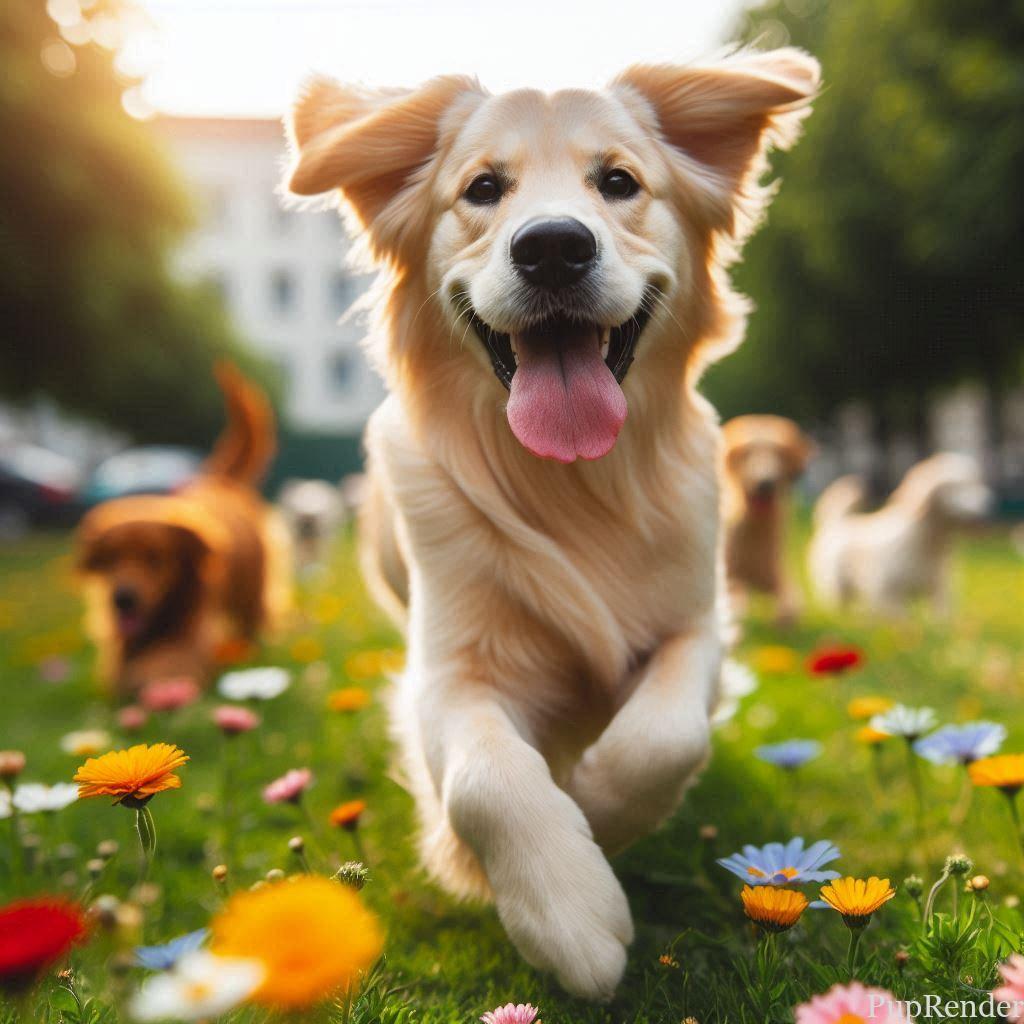
A high-energy dog enjoying an open space to run.
Exercise: The Key to Burning Off Energy
Regular exercise is crucial for managing your dog’s high energy. A simple walk around the block won’t suffice for most high-energy breeds. Consider taking your dog to a nearby park where they can run off-leash or organizing playdates with other dogs to help burn off some of that excess energy.
Mental stimulation is just as important as physical exercise. High-energy dogs are often highly intelligent and need activities that challenge them mentally. Puzzle toys, hide-and-seek games, and basic obedience training can all help engage your dog’s mind.
Training plays a pivotal role in managing an energetic dog. Commands like “sit,” “stay,” and “leave it” not only help with control but also mentally tire your dog. Regular training sessions can focus your dog’s energy on positive behaviors, reducing hyperactivity at home.
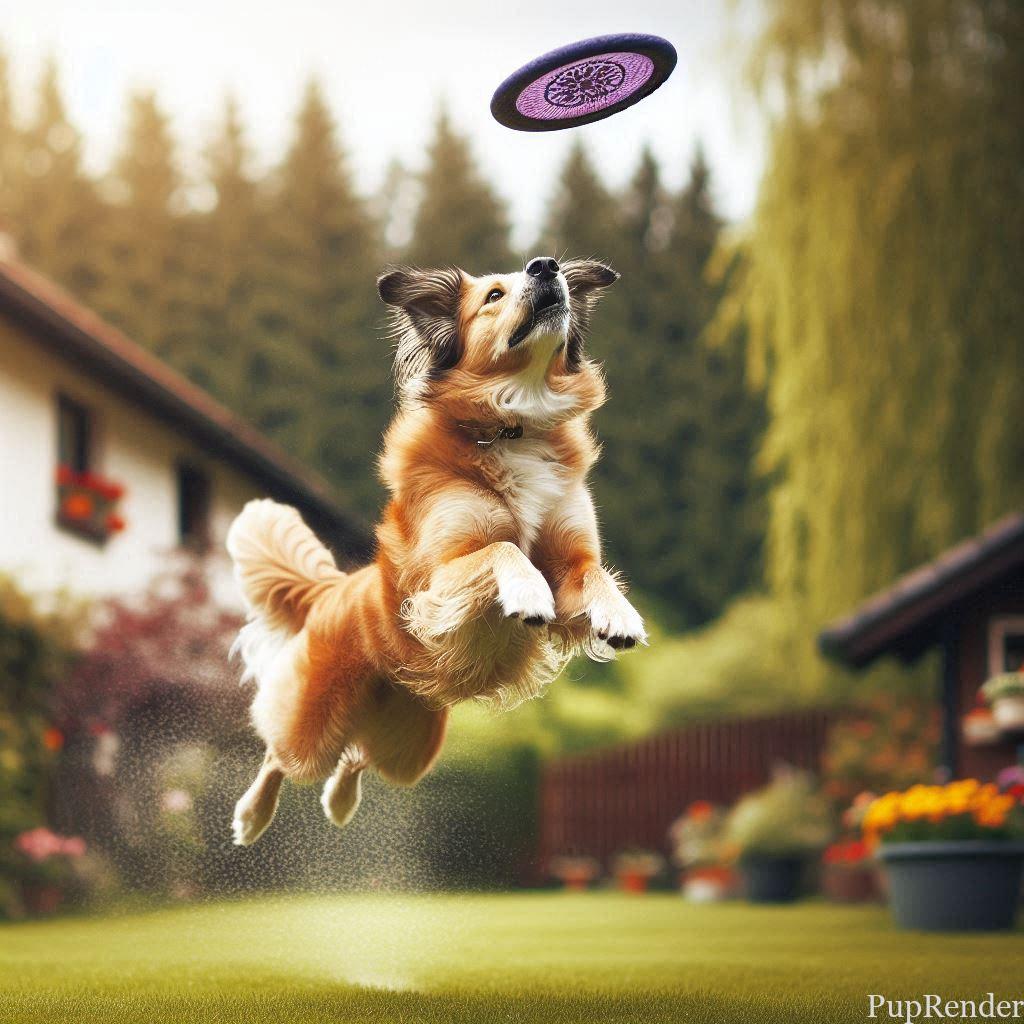
Interactive games like tug-of-war or agility training are great for dogs with high energy. These activities provide both physical exercise and mental challenges, keeping your dog happy and engaged. Incorporating toys designed for active dogs can make a huge difference.
While exercise and play are important, it’s equally crucial to ensure your dog gets enough rest. Over-exertion can lead to stress, so make sure to give your pup a comfortable place to relax after an active day. A well-rested dog is better equipped to handle their energy in controlled bursts.
Rest is just as important as play for high-energy dogs
Keeping High-Energy Dogs Happy
High-energy dogs can be a joy to own, but they require extra effort to keep them happy, healthy, and well-behaved. By incorporating regular exercise, mental stimulation, and training, you can help manage your dog’s energy levels effectively.
Moving to a new home can be an exciting yet stressful time for everyone, including your dog. Dogs are creatures of habit, and a sudden change in their environment may lead to anxiety or confusion. But don’t worry—with some thoughtful planning and patience, you can help your furry friend transition smoothly. In this guide, we’ll…
Teaching your dog to play fetch is one of the most rewarding activities you can share with your furry friend. It’s not just a game; it’s a fantastic way to bond, exercise, and mentally stimulate your dog. Whether you have a young puppy eager to learn or an older dog needing a fun outlet, fetch…
As a dog owner, watching your furry friend suffer from anxiety during storms can be heartbreaking. Dogs are incredibly sensitive to loud noises like thunder, and it’s important to provide comfort when they feel scared. In this guide, we’ll explore how to manage your dog’s anxiety during storms, offering practical tips to calm your pet…
Training your dog doesn’t have to be a challenge. By understanding dog behavior, using the right techniques, and staying consistent, you can enjoy a strong bond with your furry friend. This ultimate guide will walk you through the best practices, methods, and tips for dog training, helping you raise a well-behaved and happy dog. Understanding…
Dogs are known as “man’s best friend” for a reason, but what is it about our furry companions that makes them so friendly? Is it their loyal nature, a learned behavior, or something deeply rooted in their DNA? The science behind why dogs are so friendly reveals a fascinating combination of evolutionary traits, social bonding, and genetic…
As pet parents, we always want the best for our furry friends. One of the most important things is ensuring that our dogs are happy and healthy. But how do we know if they are truly content? In this post, we’ll explore key signs that indicate your dog is happy, how to spot them, and…